What Cranford Homeowners Get Wrong About Creosote Removal
Most homeowners who call about creosote removal in Cranford or elsewhere in Union County have already heard conflicting advice from a neighbor, a YouTube video, or a contractor. The misinformation is usually not intentional. Creosote is something most homeowners think about only once or twice a year, so plenty of half-truths have filled the gap. Here’s what professional creosote removal actually involves, what it can cost, and how choosing the wrong contractor can create bigger problems.
The Chimney “Looks Clean” Fallacy
One of the most common misconceptions is that a chimney is fine as long as smoke does not back up into the house. Homeowners in Westfield and Clark often assume that good draft means there is nothing to worry about. The problem is that creosote forms on the interior walls of the flue as a byproduct of wood combustion, whether or not the fireplace appears to be working normally.
Light, first-stage creosote is usually flaky and relatively easy to remove with routine sweeping. As combustion conditions change, deposits can become denser and more difficult to remove. Heavier glazed deposits require additional cleaning methods and should not be treated like ordinary soot.
NFPA 211 recommends regular chimney inspections because important conditions inside the flue may not be visible from the firebox. A chimney can appear to draft normally while still containing significant deposits or liner deterioration.
One Sweeping Is Not the Same as Creosote Removal
There is a difference between routine chimney sweeping and specialized creosote removal. A standard cleaning can address ordinary soot and lighter creosote deposits. That service typically costs around $150 to $250 for many Cranford-area homes, depending on the system and condition.
Heavily glazed creosote may require a more specialized approach. A trained technician may use chemical treatment, mechanical equipment, or a combination of methods depending on the deposit and liner condition. Multiple treatments or visits may sometimes be necessary.
Professional treatment for significant glazed deposits in Union County can range from $400 to more than $1,000, depending on the flue length, severity of the buildup, access, and work required.
That is why a flat-rate “$99 chimney sweep” offer deserves scrutiny. The advertised cleaning may not include the additional work required when substantial creosote is discovered.
The “Certified” Claim Deserves Scrutiny
Choosing the right contractor matters because chimney sweeping requires more than a brush and vacuum. New Jersey does not have a state license specifically for chimney sweeps, which makes third-party credentials especially useful when evaluating a company.
One credential homeowners can look for is certification from the Chimney Safety Institute of America (CSIA). CSIA-certified chimney sweeps demonstrate knowledge of chimney systems, combustion, inspections, and applicable safety standards. The National Fireplace Institute (NFI) also offers certifications relevant to fireplace and hearth appliances.
When you call a chimney company in Cranford or elsewhere in the 07016 area, ask whether the technician coming to your home is CSIA-certified. Ask for the certification information so you can verify it.
Also ask for proof of general liability and workers’ compensation insurance. Certification does not replace insurance, and insurance does not replace technical credentials. You want both.
Assuming Every Contractor Understands Gas Fireplace Flues
Union County has many older homes, and some Cranford homeowners have converted traditional wood-burning fireplaces to gas inserts or gas log systems. That change creates another common misconception: that a gas fireplace does not require the same level of attention.
Gas systems have different venting requirements from wood-burning systems, but they still need appropriate inspection and maintenance. Older flue systems may also contain deterioration from years of previous wood-burning use.
If your fireplace has been converted from wood to gas, ask whether the technician has specific experience with gas appliance venting. NFI certification can also be relevant for technicians who work with gas hearth appliances.
The important point is simple: don’t assume that a technician experienced with traditional wood-burning fireplaces automatically has the same level of expertise with every type of gas appliance.
Reading Online Reviews Without Understanding What to Look For
Online reviews can help, but the star rating alone doesn’t tell you whether a company performs thorough chimney work.
Look for reviews that mention specific details about the service. Did the technician explain what they found? Did they document the condition of the flue? Did they provide photographs or video when appropriate? Did they explain why additional work was recommended?
A company that consistently documents findings and explains the reasoning behind recommendations gives homeowners more information to make an informed decision.
The inspection level also matters. A Level 1 inspection is generally appropriate when the chimney system and appliance have not changed and there are no known hazards. A Level 2 inspection is used when conditions such as a change in appliance, property transfer, or suspected damage warrant a more detailed evaluation.
For older Union County homes, asking what inspection level is appropriate for your system is a reasonable part of the hiring process.
What to Expect When You Book
For many single-family homes in Cranford, a professional visit may include chimney sweeping, an appropriate inspection, documentation of findings, and a written summary.
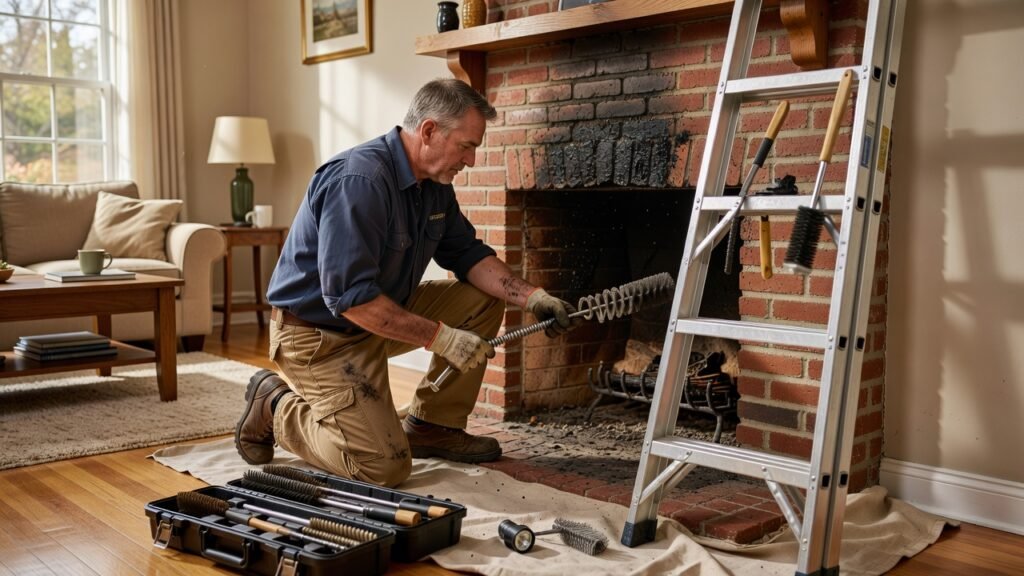
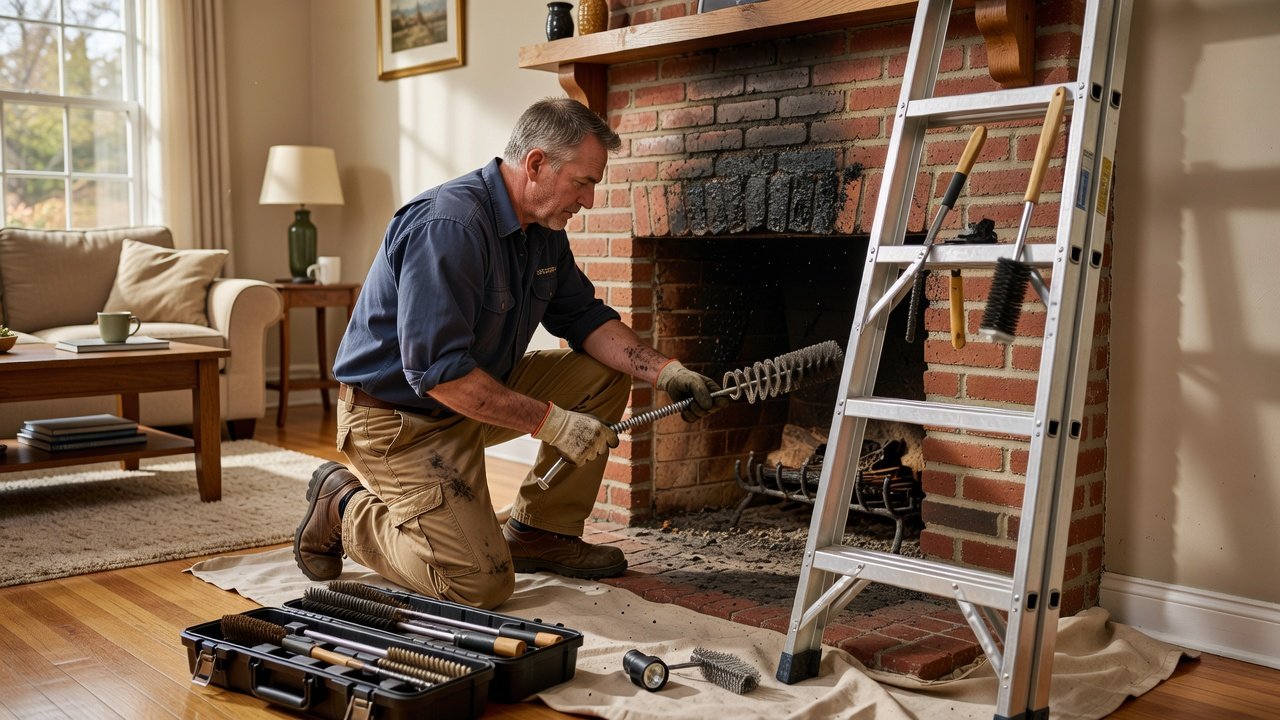
The technician should protect the work area with drop cloths and use suitable vacuum equipment to control soot and debris. Before leaving, they should explain what they found and identify anything that needs attention.
If significant glazed creosote is discovered, ask the technician to explain the condition, show you the evidence when possible, and provide the recommended treatment and cost before additional work begins.
A standard annual cleaning in this part of New Jersey commonly falls around $150 to $250, while specialized creosote treatment can cost considerably more. Liner repairs, relining, firebox repairs, and masonry work should be quoted separately in writing.
You should never feel pressured to approve expensive repair work without understanding what was found and why it is necessary.
Schedule Your Cranford Chimney Inspection Before Peak Season
Cranford Chimney offers chimney inspections and professional creosote removal throughout Cranford, Westfield, Clark, and surrounding Union County communities.
If you haven’t had your chimney professionally inspected or cleaned recently, schedule an evaluation before peak heating season. A qualified technician can explain what’s inside your flue, what condition the system is in, and whether any additional work is actually necessary.
Contact Cranford Chimney to schedule your inspection. The goal should be a clear assessment, documented findings, and straightforward recommendations without pressure or guesswork.
Related from Cranford Chimney: Chimney Repair in Cranford, NJ
Our services
Chimney Repair and Cleaning in Kenilworth, NJ · Chimney Services in Hillside, NJ · Chimney Repair and Cleaning in Garwood, NJ · Chimney Repair and Cleaning in Fanwood, NJ · Chimney Repair and Cleaning in Elizabeth, NJ · Chimney Repair and Cleaning in Colonia, NJ
Areas we serve
Cranford, NJ · Cranford, NJ · Cranford, NJ · Cranford, NJ · Cranford, NJ · All areas →