
The Right Time to Install a Chimney Cap in Scotch Plains and Cranford: Before the Weather Makes the Decision for You
Most homeowners think about chimney caps only after something goes wrong. A raccoon gets into the flue. Water stains appear around the fireplace. A chimney inspection reveals damage that could have been prevented. For homeowners in Scotch Plains, Cranford, and throughout Union County, timing the installation before those problems develop is the smarter approach.
Why Chimney Cap Installation Matters
A chimney without a properly fitted cap is exposed to rain, snow, and debris. Water can enter the flue and contribute to deterioration of the masonry, liner, crown, and firebox.
An uncapped chimney can also provide an opening for birds, squirrels, and other animals. Nesting material can restrict the flue and create additional inspection and cleaning requirements before the fireplace can safely be used.
The source material estimates that a stainless steel chimney cap with mesh sides costs approximately $150 to $400 installed for a standard single-flue chimney in this area. By comparison, liner repairs caused by water damage can cost $1,500 to $4,000.
Spring: The Best Time to Install
Late March through May is presented as the ideal installation window for Scotch Plains and Cranford homeowners.
By spring, winter freeze-thaw cycles have already exposed existing masonry problems. A chimney inspection at this point can identify damage before the next heating season.
Spring also provides an opportunity to address animal intrusion before nesting activity becomes more complicated. Contractor availability is generally better than during the fall rush, making it easier to schedule both an inspection and cap installation.
Summer: Still a Good Option
June through August remains a practical time for installation. Chimney companies are generally less busy, and there are several months before the next heating season.
The main reason not to delay is continued moisture exposure. An uncapped chimney remains vulnerable throughout the summer.
If your chimney also needs cleaning or inspection, ask whether both services can be completed during the same visit. Combining the work may save you from having separate appointments.
Fall: When Demand Increases
September is when many Cranford and Scotch Plains homeowners begin thinking about their fireplaces again. Chimney companies can become significantly busier from Labor Day through mid-November.
That means a cap installation that might take a couple of weeks to schedule in spring could take considerably longer in October.
Fall is still an appropriate time to install a cap. However, if the inspection reveals additional masonry, crown, or liner damage, those repairs may also have to compete with the seasonal demand.
If you want your fireplace ready for regular use in the fall, scheduling before September is the more comfortable option.
Winter: When Prevention Becomes Damage Control
Winter is when an uncapped chimney can experience repeated moisture and freeze-thaw exposure.
Water enters through the top, penetrates small cracks, freezes, expands, and contributes to further deterioration. Repeated cycles can damage mortar joints and clay flue tiles.
A cap can still be installed during winter when weather and site conditions allow. However, installing one at that point only prevents additional water from entering. It does not reverse damage that has already occurred.
If an inspection identifies a liner defect that compromises the system, the underlying problem needs to be addressed before continued fireplace use.
What Professional Installation Involves
A proper chimney cap installation should begin with an inspection of the chimney crown and flue opening.
The technician should:
- Check the condition of the crown and surrounding masonry.
- Measure the flue opening.
- Select the appropriate cap size and configuration.
- Check for debris or animal intrusion.
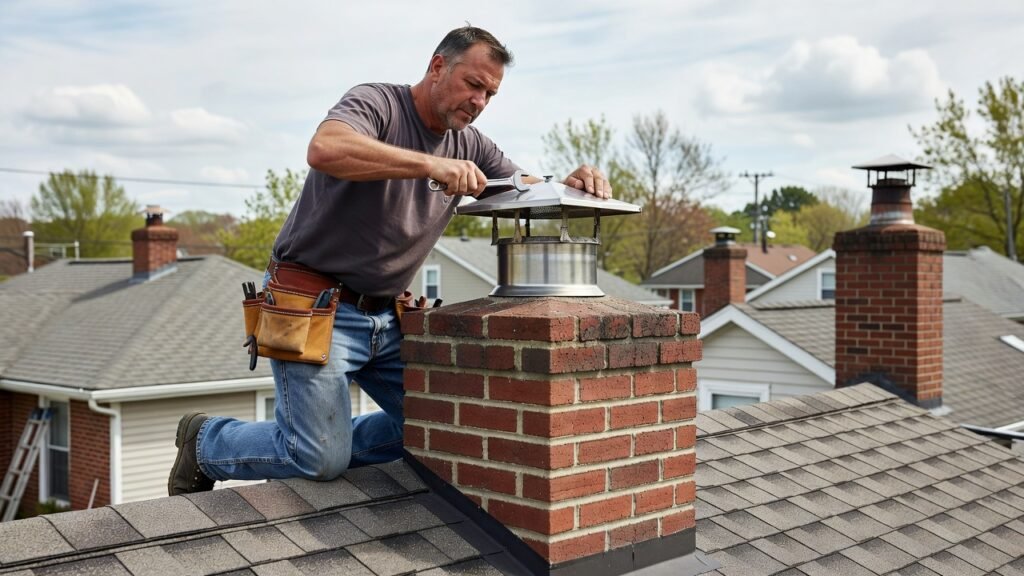
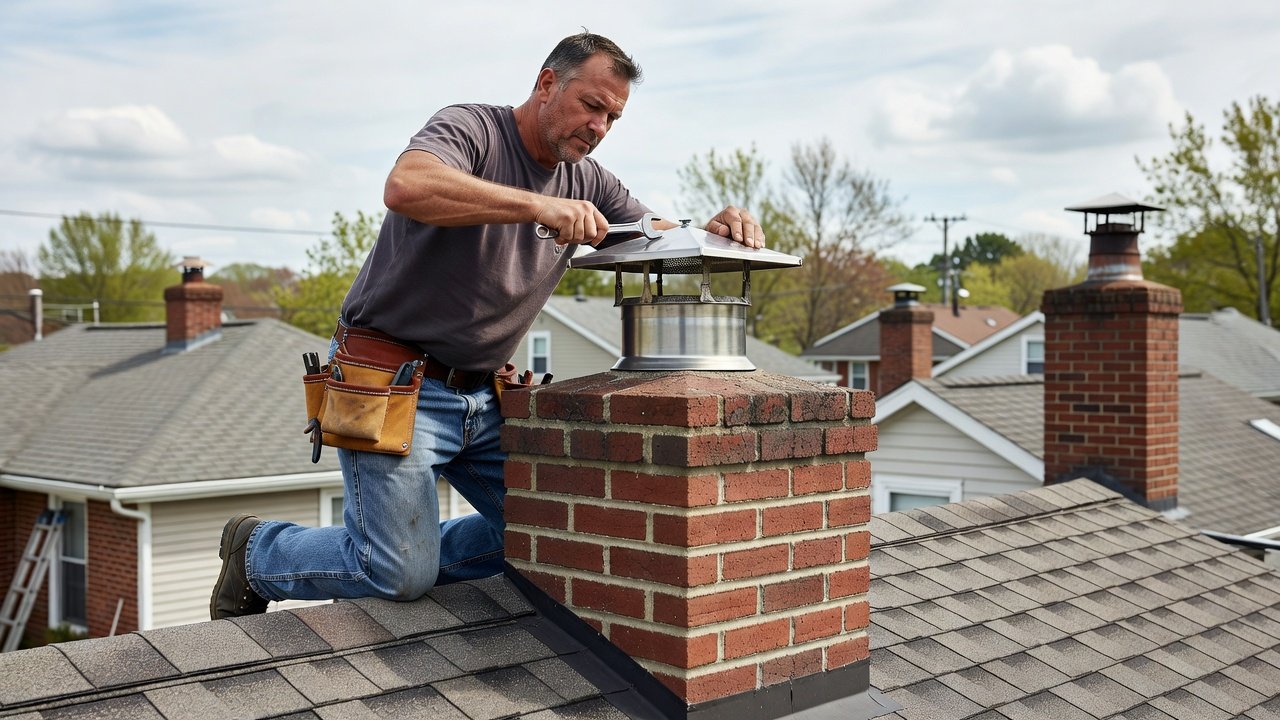
- Install the cap using appropriate attachment methods.
- Confirm that the cap is secure and properly positioned.
Single-flue and multi-flue chimneys require different cap configurations, so the correct size and design matter.
The source material recommends stainless steel caps for New Jersey conditions because they are more resistant to corrosion than galvanized alternatives.
A standard installation generally takes less than an hour. If an inspection is performed at the same time, expect a longer appointment.
Schedule Before the Weather Decides for You
If your chimney in Scotch Plains, Cranford, Westfield, or elsewhere in Union County does not have a properly fitted cap, the best opportunity is before the next major weather cycle or animal nesting season.
Cranford Chimney offers chimney inspections for homeowners throughout Union County. An inspection can determine whether your chimney simply needs a cap or whether moisture has already caused damage that needs attention first.
Getting the cap installed before the heating season gives your chimney protection before the weather has another opportunity to work against it.
Related from Cranford Chimney: Chimney Sweep Services in Cranford, NJ
Our services
Chimney Sweep Cranford · Chimney Sweep in Cranford · Chimney Sweep in Cranford, NJ · Chimney Sweep in Cranford · Chimney Sweep in Cranford, NJ · Chimney Sweep Cranford
Areas we serve
Cranford, NJ · Cranford, NJ · Cranford, NJ · Cranford, NJ · Cranford, NJ · All areas →