
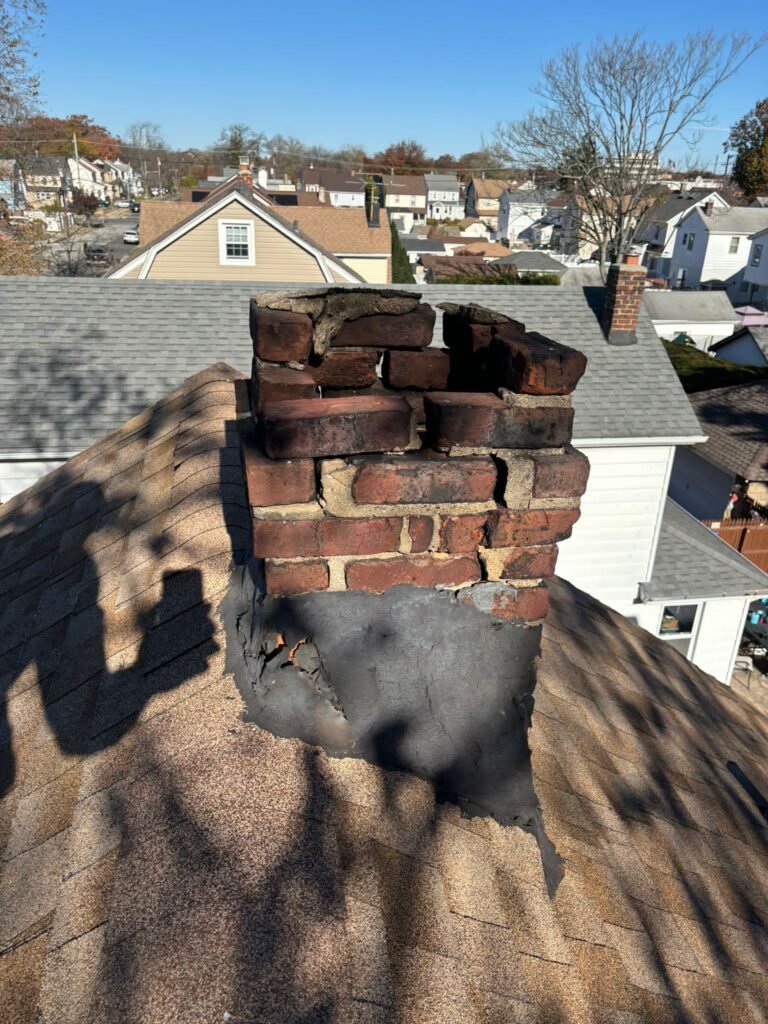
When homeowners think about routine maintenance, chimney care is often easy to forget until something goes wrong. Yet cleaning the chimney is one of the most important steps you can take to protect your home, improve how your fireplace performs, and avoid expensive repairs. A neglected chimney doesn’t just affect comfort; it can create real safety risks and unnecessary costs over time.
Whether you rely on your fireplace for warmth or only use it occasionally, regular chimney cleaning plays a critical role in keeping your home efficient, safe, and healthy. Understanding why it matters and what happens when it’s ignored can help you make smarter decisions about your home.
Why Cleaning the Chimney Helps Prevent House Fires
One of the biggest reasons cleaning the chimney is essential is fire prevention. Each time you burn wood, smoke rises through the flue and leaves behind creosote, a dark, sticky residue that clings to the chimney walls. Creosote is highly flammable, and when it builds up, it can ignite unexpectedly.
Chimney fires often start quietly and can spread quickly into surrounding walls or the attic. Many homeowners don’t realize a chimney fire has occurred until serious damage is already done. Regular cleaning removes creosote before it becomes dangerous, dramatically reducing the risk of a fire starting inside the chimney system.
Even if your fireplace seems to be working normally, creosote buildup can still be present. Cleaning the chimney is not about reacting to a problem, it’s about preventing one before it starts.
How Cleaning the Chimney Improves Airflow and Indoor Air Quality
A clean chimney allows smoke, gases, and combustion byproducts to exit your home efficiently. When the chimney is clogged with soot, creosote, or debris, airflow becomes restricted. This can cause smoke to spill back into your living space instead of venting outside.
Poor airflow doesn’t just make fires harder to start; it can also affect indoor air quality. Smoke particles, odors, and harmful gases like carbon monoxide may linger indoors, especially in tightly sealed homes. Over time, this can contribute to respiratory irritation and discomfort for everyone in the household.
Cleaning the chimney ensures proper draft, allowing your fireplace or stove to operate as designed while keeping indoor air cleaner and safer.
Signs Your Chimney Needs Cleaning
Some warning signs make it clear that cleaning the chimney should not be delayed. One common indicator is a strong, smoky smell even when the fireplace isn’t in use. This odor often comes from creosote buildup inside the flue.
Other signs include smoke entering the room during fires, visible soot around the fireplace opening, or a fire that burns weakly despite dry wood. You may also notice black flakes falling into the firebox or hear unusual sounds caused by debris or nesting animals inside the chimney.
Even if none of these signs are present, buildup can still exist. That’s why routine inspections and cleaning are recommended rather than waiting for obvious problems.
How Often Should You Be Cleaning the Chimney?
The general guideline is to have your chimney inspected at least once a year and cleaned as needed. For wood-burning fireplaces, annual cleaning is commonly recommended, especially if the fireplace is used regularly.
Homes that burn softwoods, use unseasoned wood, or rely heavily on the fireplace for heat may require more frequent cleanings. Gas fireplaces typically produce less residue, but they still need periodic inspections and cleaning to ensure vents remain clear and components function properly.
Frequency depends on usage, fuel type, and chimney design, but consistent maintenance is always more affordable than emergency repairs.
Professional Chimney Cleaning vs. DIY
While some homeowners attempt DIY chimney cleaning, professional service offers significant advantages. Certified chimney professionals use specialized tools to thoroughly remove creosote, soot, and debris from areas that are difficult or unsafe to reach on your own.
Professional cleaning also includes an inspection of the chimney structure, liner, and flue condition. Small issues like cracks, loose components, or early corrosion can be identified before they turn into expensive repairs.
For homeowners looking for reliable service and expert care, working with a trusted provider such as Cranford Chimney helps ensure the job is done thoroughly and safely, without guesswork.
How Cleaning the Chimney Saves You Money
At first glance, chimney cleaning might feel like an extra expense. In reality, it often saves homeowners money in the long run. Preventing chimney fires avoids costly structural damage and potential insurance claims. Removing buildup also reduces moisture retention, which can lead to liner deterioration and masonry damage.
A clean chimney improves efficiency as well. Fires burn more effectively when airflow is unobstructed, meaning you get more heat from less fuel. Over time, this can lower heating costs and reduce wear on your fireplace or stove.
Regular cleaning is a small investment compared to the price of major repairs or system replacement.
What to Expect During a Professional Chimney Cleaning
A professional chimney cleaning typically begins with a visual inspection of the fireplace and flue. Protective coverings are used to keep your home clean while specialized brushes and vacuums remove soot and creosote from the chimney interior.
The process usually takes about an hour, depending on chimney condition and height. Once cleaning is complete, the technician may provide recommendations for repairs, caps, or liners if any issues are found.
Homeowners are often surprised by how quick and clean the process is—and how much better their fireplace performs afterward.
Common Chimney Cleaning Myths
One common myth is that new homes don’t need chimney cleaning. Even new chimneys can accumulate debris, construction dust, or early creosote buildup. Another misconception is that gas fireplaces require no maintenance, when in fact venting systems still need inspection.
Some homeowners assume that if smoke isn’t visible, everything is fine. In reality, dangerous buildup can exist without obvious symptoms. Cleaning the chimney is preventative, not reactive.
Conclusion
Cleaning the chimney is one of the simplest ways to protect your home from fire risks, improve indoor air quality, and avoid unnecessary expenses. Regular maintenance keeps your fireplace operating efficiently while extending the life of your chimney system.
By scheduling routine inspections and cleanings, homeowners can enjoy peace of mind throughout the heating season. Working with experienced professionals like Cranford Chimney ensures your chimney receives proper care, helping safeguard your home, your comfort, and your investment for years to come.
Frequently Asked Questions
1. Is cleaning the chimney really necessary every year?
Yes. Annual inspections and cleanings help prevent creosote buildup and catch small issues before they become serious problems.
2. Can a dirty chimney increase fire risk?
Absolutely. Creosote buildup is a leading cause of chimney fires and should be removed regularly.
3. Does chimney cleaning make a mess inside the house?
Professional chimney cleanings use protective coverings and vacuums to keep soot and debris contained.
4. When is the best time of year to clean a chimney?
Late spring or summer is ideal, but cleaning can be done any time the fireplace is not in use.5. Will chimney cleaning improve fireplace performance?
Yes. A clean chimney allows better airflow, making fires easier to start and more efficient.